
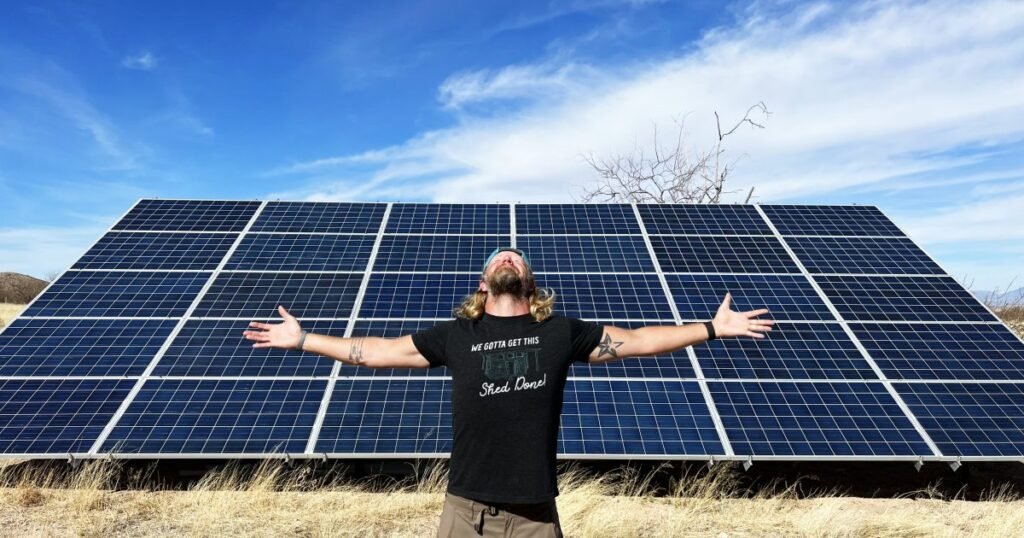
Why a 4kW system isn’t what you think it is
People love a clean number.
“Just put in a 4kW system.”
Sounds nice. Sounds simple. Sounds like a plan.
But that number messes people up more than it helps.
Because a 4kW system doesn’t just sit there all day pumping out 4kW like a generator humming along in the background. It doesn’t work like that.
When the sun first comes up, your panels are basically stretching and yawning. Light is weak. Angle is terrible. If you’ve got a couple trees in the wrong place—or even just the way your roof faces—you’re barely making anything.
Then things start to pick up. Midday rolls around, sun gets high, everything lines up… and yeah, for a little while you might actually see that 4kW number.
Then it fades right back down again.
So what you really have isn’t a 4kW system. You have a system that peaks at 4kW for a short window on a good day.
That’s a very different thing.
And then winter shows up and humbles everybody.
The sun never gets very high. Shadows stretch out like they’ve got somewhere to be. That tree that didn’t matter in June suddenly becomes your biggest problem in December.
This is where people realize they didn’t size a system… they sized a best-case scenario.
If you want to get this right, you’ve got to stop thinking in peak numbers and start looking at how things behave over time.
So here’s something simple you can do that’ll put you ahead of most people in about five minutes.
Go to PVWatts. https://pvwatts.nlr.gov/
Punch in your location—just your zip code is fine. It’ll pull in the local weather data automatically.
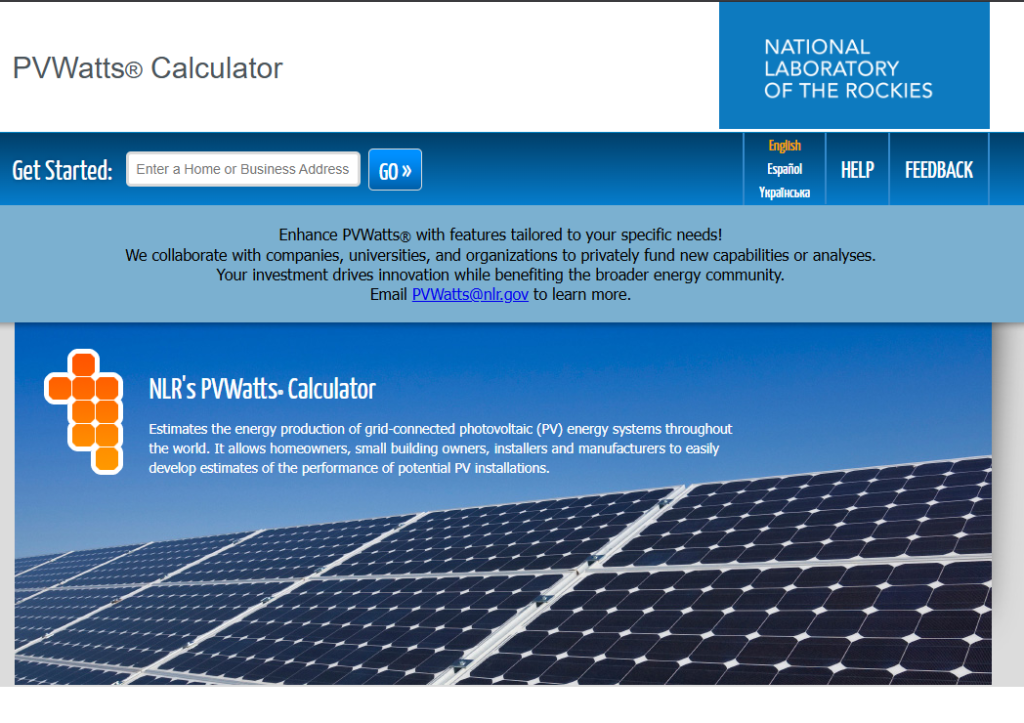
Next screen, it’s going to ask for system size. This is where you can play. Put in 4kW. Then later try 3… try 6… just see what changes.
Leave most of the defaults alone for now. They’re good enough to get you in the ballpark. If you know your roof pitch or tilt, great—adjust it. If not, don’t overthink it.
Hit calculate.
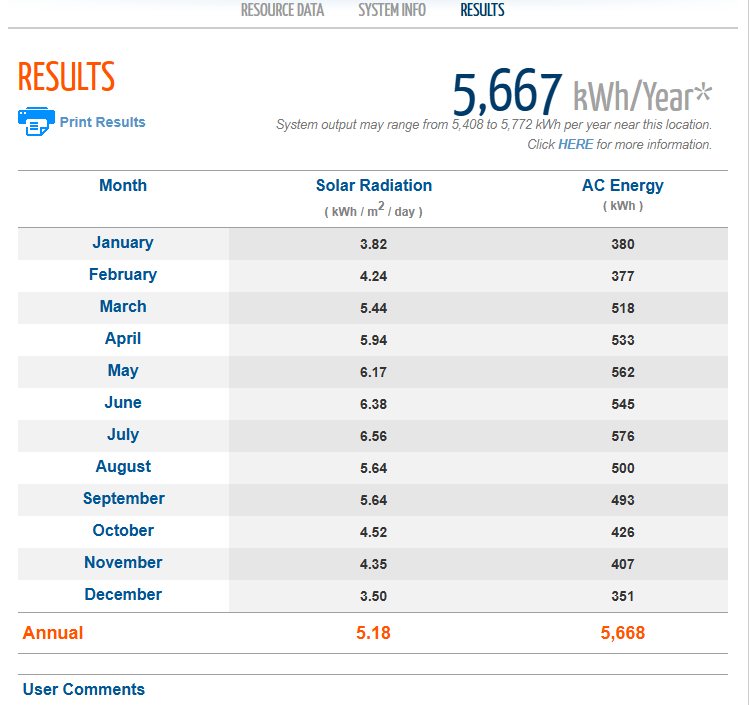
Now scroll.
Don’t stare at the big annual number at the top. That’s where people get fooled.
Look at the monthly chart.
That’s your system actually talking to you.
You’ll see a nice bump in the summer… and then you’ll see it drop off in the winter.
That drop—that’s the part you design around.
Because that’s when you’re cold, the days are short, and the system has to work the hardest with the least sunlight.
Run a couple different system sizes and just watch what happens to those winter numbers.
You’ll start to get a feel for it pretty quickly.
No spreadsheets. No overthinking. Just… reality.
Because if your system works in winter, it’ll feel oversized the rest of the year. And that’s a good place to be.
If it only works in summer… you didn’t build a system. You built something that makes you feel good when the weather cooperates.
At the end of the day, solar isn’t about the biggest number you can hit at noon.
It’s about waking up, flipping on the lights, and not having to think about it.
Build for that—and you’ll be a whole lot happier.